Skin Conditions
We Treat
At Pure Skin and Smile Clinic, we understand that every skin concern is unique. Below is an overview of common skin conditions, how they develop, and the visible signs they may cause.
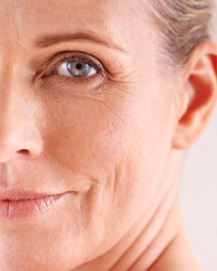
As we age, our skin naturally produces less collagen, elastin, and hydration, which can lead to fine lines, wrinkles, and loss of firmness. However, sun exposure is the biggest cause of premature ageing.
UV rays damage the skin at different depths. Some affect the surface, causing dryness and rough texture, while others penetrate deeper, breaking down the skin’s natural support structure. Over time, this leads to wrinkles, sagging, uneven skin tone, and pigmentation such as age spots. This accelerated ageing process is known as photo-ageing.
Common signs of ageing and sun damage include:
Uneven or patchy skin tone
Dull, tired-looking skin
Fine lines and wrinkles
Sagging or thinning skin
Loss of firmness and elasticity
Sun damage tends to appear most on areas regularly exposed to the sun, such as the face, neck, chest, and hands.
Ageing & Sun-Damaged Skin
Fine Lines & Wrinkles
From our 20s and 30s, our skin naturally starts to produce less collagen, elastin, and hyaluronic acid. These are the building blocks that keep skin firm, smooth, and hydrated. As levels decrease, the skin can begin to look less plump and more tired, and signs of ageing become more noticeable.
You may start to notice:
Fine lines, such as crow’s feet or smile lines
Skin that feels thinner or less firm
Puffiness or bags under the eyes
A gradual loss of volume and definition
Wrinkles can appear for different reasons and may look different on everyone:
Expression lines from smiling, frowning, or squinting
Sun-related wrinkles caused by long-term UV exposure
Sagging lines as skin loses strength and support
Sleep lines from facial pressure during sleep
Deeper lines that remain visible even when your face is relaxed
Rosacea
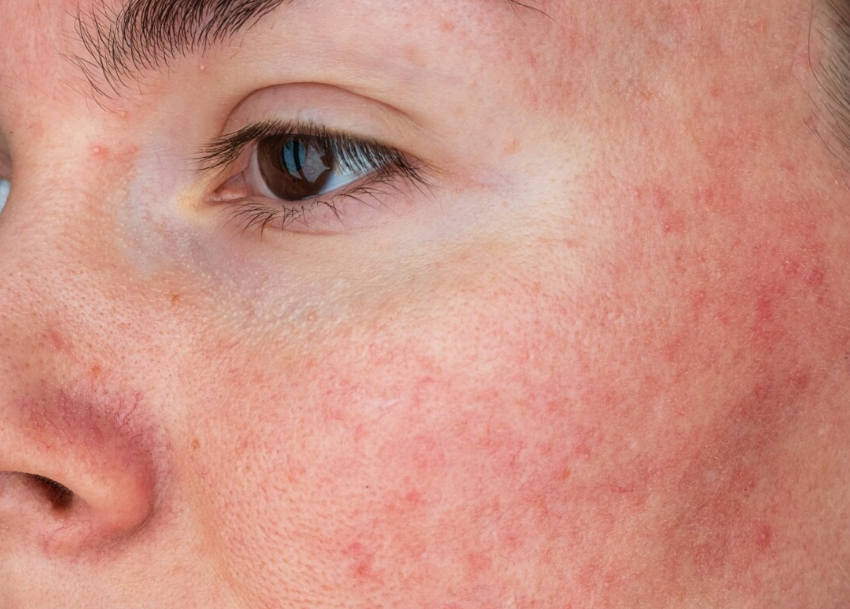
Rosacea is a common skin condition that mainly affects the centre of the face, including the cheeks, nose, chin, and forehead. It often starts with frequent flushing or blushing and can develop into ongoing redness and skin sensitivity over time. Some people may also notice small visible veins or occasional breakout-like bumps.
Rosacea symptoms can come and go, and flare-ups are often triggered by everyday factors such as heat, spicy foods, alcohol, exercise, stress, or changes in temperature. Facial thread veins — tiny red or blue veins close to the skin’s surface — may also appear, making redness more noticeable.
Rosacea affects everyone differently, but with gentle skincare and the right professional support, symptoms can be effectively managed and the skin can feel calmer and more comfortable.
Acne & Breakouts
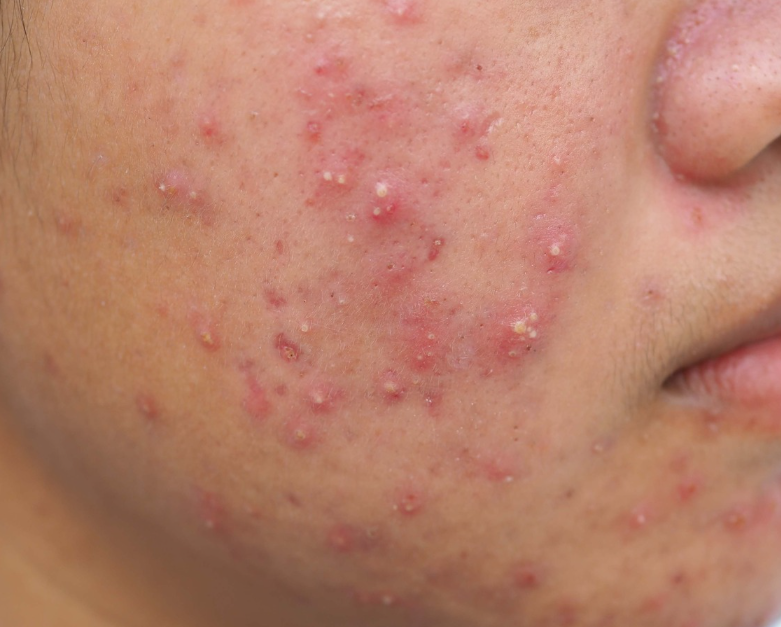
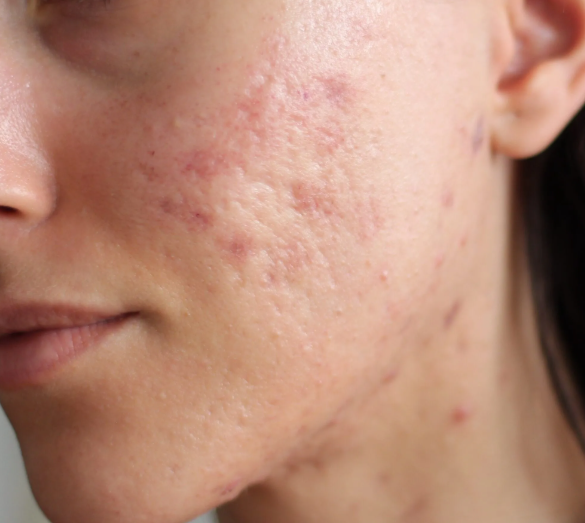
Acne develops when the skin produces too much oil, often due to hormonal changes. This excess oil can mix with dead skin cells and bacteria, blocking pores and leading to inflammation and breakouts.
Acne most commonly appears on the face, chest, shoulders, and upper back. In addition to affecting the skin, breakouts can impact confidence and may sometimes leave behind marks, pigmentation, or scarring.
Types of acne include:
Non-inflammatory acne
Blackheads – open pores blocked with oil and debris
Whiteheads – closed pores that appear as small white bumps
Inflammatory acne
Papules – small red, inflamed bumps
Pustules – pimples with a white or yellow centre
Nodules – larger, deeper, and often painful lumps
Cysts – severe, pus-filled breakouts that can lead to scarring
Scarring
Scars form when the deeper layers of the skin are damaged and the skin heals unevenly. The way a scar looks can vary depending on how your skin repairs itself after injury or inflammation.
Common types of scars include:
Atrophic scars – sunken or indented scars, such as ice-pick, boxcar, or rolling scars
Hypertrophic scars – raised scars that stay within the original injury area
Keloid scars – raised scars that grow beyond the original wound
Contracture scars – scars often caused by burns, which may tighten the skin
Stretch marks (striae) – lines that form when the skin stretches or shrinks quickly
Pigmentation
Skin colour is determined by melanin, produced by melanocytes. Pigmentation issues occur when melanin production becomes uneven.
Common Types of Skin Pigmentation
There are several forms of pigmentation, each with different causes and characteristics:
Sunspots (Age or Liver Spots)
These are caused by long-term sun exposure and commonly appear as flat brown marks on areas frequently exposed to sunlight, such as the face, hands, shoulders, and arms.
Melasma
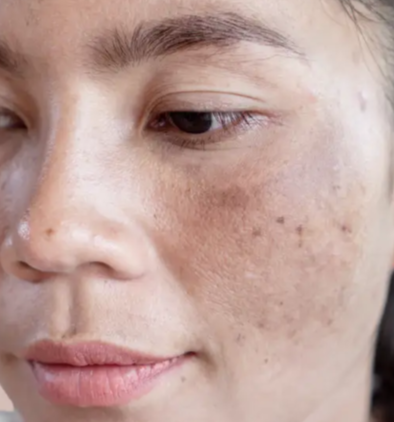
Melasma is often linked to hormonal changes, including pregnancy or contraceptive use. It usually appears as larger brown or greyish patches across the cheeks, forehead, nose, or upper lip and is especially common in Asian and olive skin tones.
Post-Inflammatory Hyperpigmentation (PIH)
PIH develops after skin inflammation or trauma, such as acne breakouts, cuts, burns, or irritation. It appears as darkened marks that can gradually fade but may remain visible without professional treatment. This type of pigmentation is particularly common in Asian skin due to increased melanin activity.
Freckles
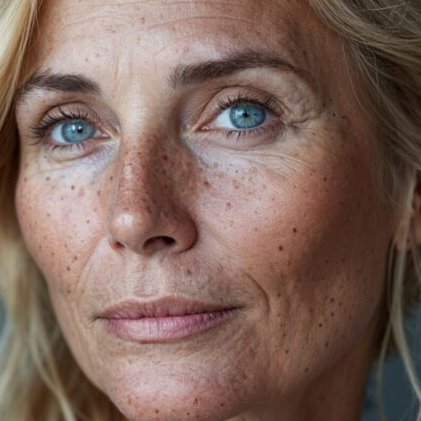
Freckles are small brown spots that are typically influenced by genetics and sun exposure. They are more commonly seen in individuals with fairer skin tones and may become more noticeable after time in the sun.
Enlarged Pores
Pores allow oil and sweat to reach the skin’s surface. They can appear enlarged due to genetics, excess oil, ageing, or loss of skin firmness.
Enlarged pores are most common on the nose, cheeks, and chin and may become clogged, leading to blackheads or breakouts. While pores cannot be permanently reduced, their appearance can be improved by maintaining clear pores and supporting skin firmness.
Vascular Lesions & Small Blood Vessels
Small visible blood vessels can appear as red, purple, or blue marks on the skin, most commonly on the face or legs. They may develop over time due to factors such as sun exposure, ageing, rosacea, or genetics. While they are usually harmless, they can become more noticeable and affect confidence. Treatments can help reduce their appearance and restore a clearer, more even-looking complexion.
Benign Skin Growths & Lesions
Benign skin growths are harmless changes in the skin that can appear as small bumps or raised areas. They often develop naturally with age or sun exposure and may sometimes become uncomfortable or catch on clothing. Each growth is carefully assessed to ensure it is suitable for treatment and to provide safe, effective care.